


Skip the Airport Rip-Off: Smarter Holiday FX Before You Fly
Airport currency desks are famous for a reason. You are tired, you need notes now, and the board looks official enough that you assume it must be fair. Often it is not. Holiday FX mistakes usually happen in a hurry — and the fix is almost always preparation plus a local comparison before you travel.

Where holiday money goes wrong
The classic trap is changing a large amount at the airport on departure. Rates there are priced for captive demand. Another trap is withdrawing foreign cash from the first ATM you see abroad without checking the machine or your card fees. A third is accepting a hotel or tourist-shop rate because it is convenient, then discovering later that a bureau two blocks away was far sharper.
None of these require exotic markets knowledge. They require knowing that retail cash rates differ by location, and that the closest option is not always the best — or that the best option may still be worth a short walk.
Plan cash before you leave
Decide how much physical cash you truly need. Cards work in many places, but cash still matters for tips, markets, small towns, and backup when networks fail. Change the core amount at home when you can compare providers calmly.
Look at your neighbourhood, not just the first brand you remember. A bureau near the station might beat your bank; another near the retail park might not. The only reliable way to see both distance and rate together is a map built for cash FX.
Give yourself a day or two of lead time if you can. Ordering notes mid-week often avoids last-minute queues, and it leaves room to walk to a better board if the first quote disappoints. Treat the rate like any other local price: check more than one place.
On the ground: closest versus best
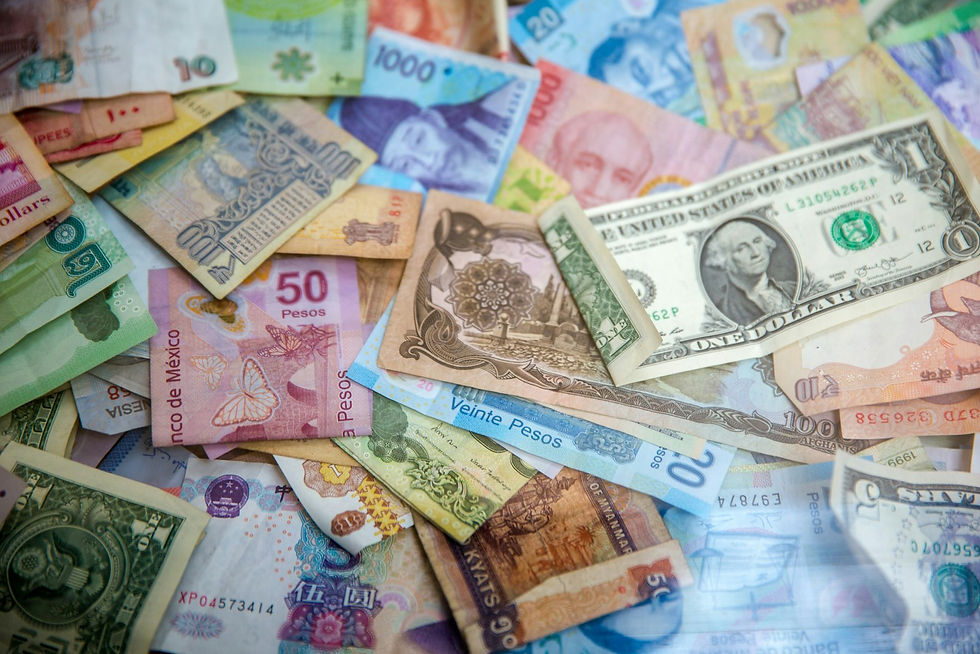
Once you arrive, the same logic applies. If you need more notes, compare a nearby bureau with the most competitive posted rate in the area before you queue. Tourist strips often cluster weaker rates; residential or commercial streets a few minutes away can be kinder.
Money Maps is designed for that moment. Users navigate like Google Maps to the closest FX point or to the strongest cash rate nearby. Providers publish their rates; communities can update what they see and earn rewards for keeping the picture accurate. Later, providers will be able to pay for listing visibility when they want the best rates noticed. Accuracy stays non-negotiable — this only works if the numbers are real.
Community updates keep the map honest
Rates move. A board that was sharp on Monday can drift by Friday. When travellers and locals share what they saw, the neighbourhood picture stays useful. That two-sided model — providers posting, the public refining — is how Money Maps aims to stay closer to the street than a static brochure ever could.
A simple holiday checklist
One: change a sensible amount at home after comparing local cash rates. Two: avoid the airport desk for large sums unless you have no alternative. Three: know your card cash fees before you land. Four: when you need more abroad, check neighbourhood options rather than the first booth in the tourist lane. Five: if you spot a rate on a board, help keep the map honest by updating it when community tools are available.
Holiday money should stretch further than the airport queue allows. Use Money Maps to find better cash FX near you before you travel — and to navigate to a fairer rate when you are already away.


Comments